Tshisekedi’s controversial proposal to the United States raises neo-colonial concerns as the M23/AFC rebellion tightens its grip on eastern Congo.
In the heart of Africa, a nation overflowing with mineral wealth but ravaged by decades of conflict and mismanagement is making a bold and risky plea for help. The Democratic Republic of Congo (DRC), led by President Félix Tshisekedi, has extended a trembling hand to the United States: in exchange for military support to counter the relentless advance of the M23/AFC rebel group, the country offers exclusive access to its precious minerals—cobalt, copper, treasures indispensable in the technological era.
But behind this shocking proposal lies a burning question: is the DRC trading its sovereignty for a fragile peace, or sinking into a new “neo-colonial” trap?
Eastern Congo on the Brink
The crisis shaking the DRC has taken an alarming turn. In 2025, the M23/AFC group, reportedly backed by neighboring Rwanda, has seized strategic cities like Goma and Bukavu, and yesterday, March 19, 2025, Walikale, a key mining center. The toll is heavy: at least 7,000 dead since January, according to Al Jazeera, and thousands displaced by the fighting. The Congolese government, despite support from the Southern African Development Community (SADC), seems powerless against this offensive. Regional efforts are stalling, UN missions are deemed ineffective, and the specter of broader destabilization looms over the region.
It is in this chaos that Tshisekedi has decided to play an unexpected card, looking to Washington to save his country—and above all, his power.
The Deal: Minerals for Weapons
Tshisekedi’s proposal is as simple as it is provocative. In exchange for American military aid—training troops, modern equipment, and possibly even bases on Congolese soil—the DRC would open wide the doors to its mineral reserves. With 70% of the world’s cobalt reserves, essential for electric car batteries, and copper deposits crucial for renewable energy, Congo has much to entice the great powers. A letter to U.S. Secretary of State Marco Rubio, reported by The New York Times, outlines this plan: a strategic alliance to secure borders and counter Rwandan influence in the region.
For Tshisekedi, willing to do anything, it’s a means of survival. But for many, this offer smells of capitulation by a cornered president ready to sell off the national wealth of several generations of Congolese to stay afloat.
The Ghosts of the Past: A Whiff of Neo-Colonialism
The history of the DRC is a litany of exploitations. From the brutal yoke of Belgian colonialism to opaque deals with China in recent decades, the country has often seen its resources siphoned off for foreign interests. In 2008, a deal with Beijing promised infrastructure in exchange for minerals, but ordinary Congolese saw little benefit. Tshisekedi’s promise to the Americans in 2019 to review these Chinese contracts ended with the benefits being redirected to his family, with his own son, Anthony, at the head of the management structure.
Today, Tshisekedi’s new proposal raises fears of a “repeat performance,” especially given his legendary tendency not to keep his promises.
“We’re walking on a slippery slope,” warns Jean-Pierre Okenda, a Congolese analyst interviewed by BBC News. “Without solid guarantees, our wealth risks being shipped abroad while our people languish in misery.” The idea of the DRC being turned into a pawn in American geopolitical ambitions revives painful memories of a past where sovereignty was but a mirage.
Tshisekedi’s Defense: A Necessary Evil?
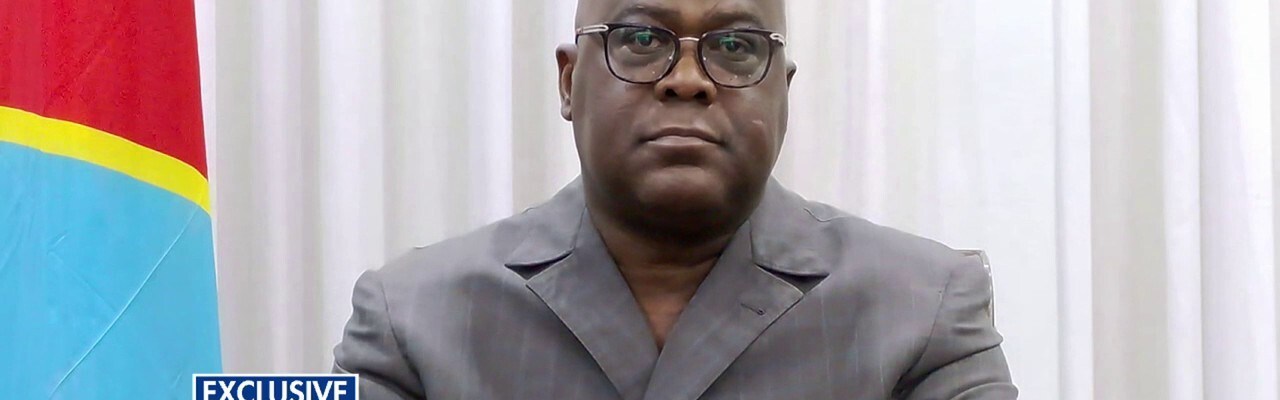
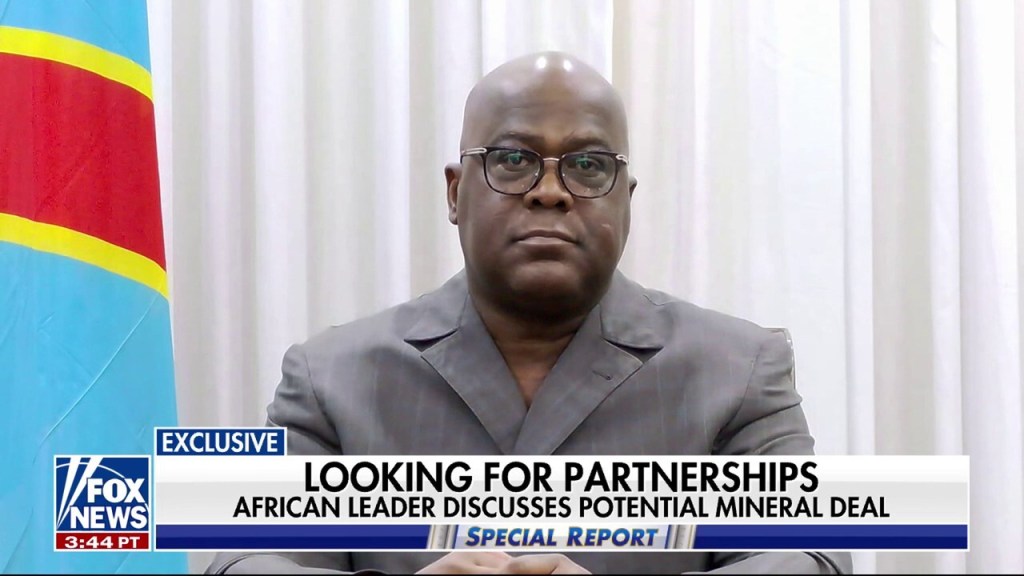
In the face of criticism, Tshisekedi positions himself as a pragmatist. “We are fighting for our survival,” he insisted in an interview with The New York Times and Fox News. For him, this partnership with the United States is not a surrender but a strategy to regain control against his enemies. Peace talks led by Angola and later by Qatar with Kigali have yielded nothing concrete, and regional allies are struggling to stand up to M23/AFC. In this context, American aid appears as a lifeline—perhaps the last one—for Tshilombo and his regime.
But at what cost? Critics wonder: will this deal truly strengthen Congo, or will it deepen inequalities, mortgaging the country’s wealth for generations and amputating its sovereignty?
A Destiny in the Balance
The DRC stands at a decisive turning point. Tshisekedi’s gamble could bring back the stability of the “colonizer” or, conversely, anchor the country in a new era of foreign dependence, bearing the shameful face of recolonization, at a time when other African countries like Burkina Faso, Senegal, or Mali are doing everything to break the last persisting colonial chains. Meanwhile, the Congolese people, caught between rebel fire and the uncertain promises of their leaders unable to defend them, await answers.
As the world watches, one truth remains: in this geopolitical chess game, it is the resources and blood of Congo that are at stake. It remains to be seen who will emerge victorious: a faltering regime or the Congolese people?
Recalling the decisive role the USA played in denouncing Belgium’s brutal colonization and its scandalous human cost (over 10,000,000 deaths during the colonial period), it would be paradoxical for the United States to be at the center of a new colonization of the Great Congo, once again reduced to the role of a precious materials trading post, in exchange for security from a superpower currently reluctant to deploy its troops abroad.
The only winners in this paradoxical and improbable deal seem to be the lobbyists handsomely paid by Tshisekedi (rumored to be hundreds of millions of dollars) to push through his “deal” and protect his power, in a country among the poorest on the planet precisely because of the mismanagement of its wealth, “privatized” by the kleptocratic elites in power.
Résistant Congolais
 RESISTANT CONGOLAIS